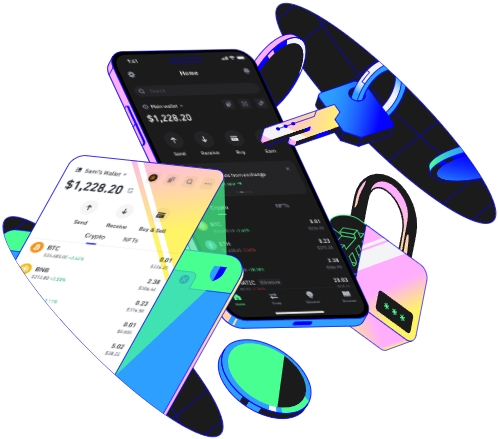
Using the Built-In Web3 Browser
An In - depth Guide to Web3 Browser Usage
Web3 browsers are revolutionizing the way we interact with the internet, offering a decentralized and more user - empowered experience. In this article, we'll explore how to make the most of a built - in Web3 browser.
Understanding Web3 Browsers
Web3 browsers are designed to connect users directly to the decentralized web. Unlike traditional browsers, they support blockchain technology, allowing users to access decentralized applications (dApps), manage digital assets, and interact with smart contracts. For example, MetaMask, which can be integrated as a browser extension, enables users to connect to the Ethereum blockchain and access a wide range of Ethereum - based dApps. These browsers use cryptographic keys to authenticate users, ensuring a high level of security and privacy.
Setting Up Your Built - in Web3 Browser
The first step in using a built - in Web3 browser is to set it up. Most modern mobile wallets and some desktop applications come with a built - in Web3 browser. When you open the browser for the first time, you may need to create or import a wallet. Creating a wallet involves generating a new set of cryptographic keys, while importing a wallet requires you to enter your existing wallet's seed phrase. After setting up your wallet, you can start exploring the decentralized web. Some browsers may also require you to configure network settings, such as choosing the blockchain network you want to connect to, like Ethereum, Binance Smart Chain, or Polygon.
Accessing Decentralized Applications
One of the main advantages of using a Web3 browser is the ability to access dApps. These applications operate on blockchain networks and offer various services, from decentralized finance (DeFi) platforms to non - fungible token (NFT) marketplaces. To access a dApp, simply enter its URL in the browser's address bar. Once you're on the dApp's page, you may need to connect your wallet. This allows the dApp to interact with your digital assets and execute transactions on your behalf. For instance, on a DeFi lending platform, you can connect your wallet to deposit funds, borrow assets, or earn interest.
Managing Digital Assets
Built - in Web3 browsers provide a convenient way to manage your digital assets. You can view your wallet balance, which includes cryptocurrencies like Bitcoin, Ethereum, and other tokens. You can also transfer funds between different wallets or send tokens to other users. Additionally, Web3 browsers support the management of NFTs. You can view your NFT collection, trade NFTs on marketplaces, and even participate in NFT auctions. The browser's interface typically provides detailed information about each asset, such as its current value, transaction history, and ownership details.
Ensuring Security and Privacy
Security and privacy are crucial when using a Web3 browser. Always make sure to keep your wallet's seed phrase and private keys secure. Never share them with anyone. When interacting with dApps, be cautious about the permissions you grant. Some dApps may request access to more of your wallet's functionality than necessary. Only connect to trusted dApps and avoid clicking on suspicious links. Additionally, enable two - factor authentication if available to add an extra layer of security to your wallet. Regularly update your browser and wallet software to protect against the latest security vulnerabilities.
Using a built - in Web3 browser opens up a world of possibilities in the decentralized web. By understanding how to set it up, access dApps, manage digital assets, and ensure security, you can fully embrace the future of the internet.
TAG: Web3 your wallet browser browsers dApps access connect decentralized assets