What Are NFTs and How to Store Them?
An In - depth Look at NFTs and Safe Keeping

NFTs, or Non - Fungible Tokens, have taken the digital world by storm. In this article, we'll explore what NFTs are and how to store them securely.
What Are NFTs?
NFTs are unique digital assets that represent ownership of a specific item, whether it's digital art, music, videos, virtual real - estate, or collectibles. Unlike cryptocurrencies such as Bitcoin or Ethereum, which are fungible (one unit can be exchanged for another of the same value), each NFT has distinct properties. They are built on blockchain technology, which is a decentralized and immutable ledger. This means that the ownership and transaction history of an NFT are recorded permanently and transparently on the blockchain, providing proof of authenticity and ownership.
The uniqueness of NFTs is what makes them so valuable in the digital space. For example, a digital artist can create a one - of - a - kind piece of art and tokenize it as an NFT. The buyer then has exclusive ownership rights to that particular digital creation, similar to owning a physical painting.
How Do NFTs Work?
NFTs are created through a process called "minting." Minting involves uploading a digital file to a blockchain platform and creating a unique token for it. This token contains metadata that describes the asset, such as the artist's name, the title of the work, and any other relevant information. Smart contracts, which are self - executing contracts with the terms of the agreement directly written into code, play a crucial role in the creation and transfer of NFTs.
When an NFT is bought or sold, the smart contract automatically updates the ownership record on the blockchain. This ensures that the transfer is secure and verifiable. The most common blockchain for NFTs is the Ethereum blockchain, although other blockchains like Binance Smart Chain and Solana are also being used.
Why Are NFTs Popular?
There are several reasons for the popularity of NFTs. For artists and creators, NFTs offer a new way to monetize their work. They can sell their digital creations directly to collectors without the need for intermediaries, and they can also earn royalties every time their NFT is resold on the secondary market.
Collectors are attracted to NFTs because they offer a way to own unique digital items. They can build collections of digital art, virtual real - estate, or other collectibles, similar to traditional collectors of stamps or coins. Additionally, the speculative nature of the NFT market has led some investors to see potential for significant financial returns.
How to Store NFTs?
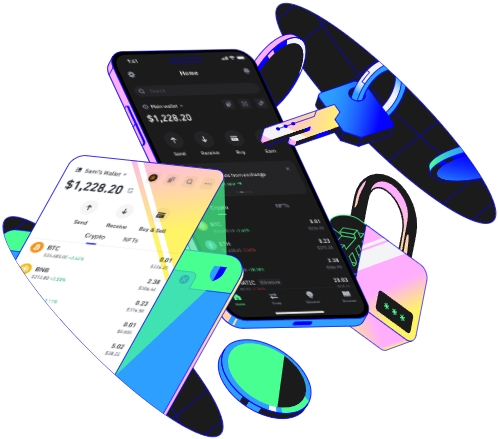
Storing NFTs securely is essential to protect your digital assets. There are two main types of wallets for storing NFTs: hot wallets and cold wallets.
Hot wallets are connected to the internet and are more convenient for frequent trading. They can be web - based, mobile, or desktop wallets. Examples of popular hot wallets for NFTs include MetaMask, Trust Wallet, and Coinbase Wallet. These wallets allow you to easily access and manage your NFTs, but they are also more vulnerable to hacking and other security threats.
Cold wallets, on the other hand, are offline storage devices. They are considered more secure because they are not connected to the internet, making them less susceptible to cyberattacks. Hardware wallets like Ledger Nano S and Trezor are popular choices for cold storage of NFTs. You can transfer your NFTs from a hot wallet to a cold wallet for long - term storage.
Best Practices for NFT Storage
Regardless of the type of wallet you choose, there are some best practices to follow. First, always keep your private keys secure. Your private keys are like the password to your wallet, and if they are compromised, your NFTs can be stolen. Never share your private keys with anyone.
Second, keep your wallet software up - to - date. Developers often release updates to fix security vulnerabilities and improve functionality. Third, use strong passwords and enable two - factor authentication (2FA) for an extra layer of security. Finally, be cautious when interacting with NFT marketplaces and only use reputable platforms.
In conclusion, NFTs are a revolutionary digital asset class with unique properties. Understanding how they work and how to store them securely is crucial for anyone interested in participating in the NFT market.