How to Use the Portfolio Tracker Feature
Step - by - Step Guide to Effective Use
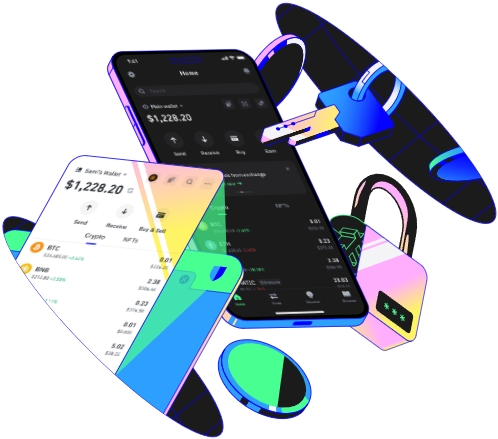
The portfolio tracker feature is an invaluable tool for investors, whether they are seasoned professionals or just starting out. It allows you to monitor the performance of your investments in real - time, make informed decisions, and stay on top of market trends. Here's a detailed guide on how to use this feature effectively.
First, you need to set up your portfolio. Log in to your investment platform that offers the portfolio tracker. Once logged in, look for the option to create a new portfolio. This might be labeled as "Create Portfolio," "New Portfolio," or something similar. When creating the portfolio, you can give it a name that is meaningful to you, such as "Retirement Portfolio" or "Short - Term Investment Portfolio."
After creating the portfolio, it's time to add your investments. You can add various types of assets, including stocks, bonds, mutual funds, exchange - traded funds (ETFs), and more. To add an investment, click on the "Add Investment" or "Add Asset" button. Then, enter the details of the investment, such as the ticker symbol for stocks or the fund name for mutual funds. The platform will automatically pull in the current price and other relevant information about the investment.
Once you've added your investments, the portfolio tracker will start to display important data. You'll see the current value of each investment, the total value of your portfolio, and the percentage change in value over different time periods. The percentage change can be viewed for daily, weekly, monthly, and yearly intervals. This data is crucial as it gives you an immediate understanding of how your investments are performing.
Another key aspect of the portfolio tracker is the ability to set alerts. Alerts can be set based on various criteria. For example, you can set an alert if the price of a particular stock in your portfolio reaches a certain level. To set an alert, find the option for alerts in the portfolio tracker interface. It might be labeled as "Set Alerts" or "Alert Settings." Then, specify the investment, the condition (such as price above or below a certain value), and the notification method (email, push notification, etc.).
The portfolio tracker also provides detailed historical data. You can view the performance of your portfolio over months or even years. This historical data can be presented in the form of graphs and charts. To access the historical data, look for the "Historical Performance" or "Performance History" option. The graphs can show the value of your portfolio over time, allowing you to identify trends and patterns. For example, you might notice that your portfolio performs better during certain seasons or in response to specific market events.
You can also use the portfolio tracker to analyze the diversification of your portfolio. Diversification is important as it helps reduce risk. The tracker can show you the percentage of your portfolio that is invested in different asset classes, industries, and regions. To view the diversification analysis, look for the "Diversification" or "Asset Allocation" section. This will give you a clear picture of whether your portfolio is well - diversified or if you need to make adjustments.
When it comes to making investment decisions, the portfolio tracker can be a powerful ally. You can use the data it provides to decide whether to buy, sell, or hold an investment. For example, if a particular stock in your portfolio has been consistently underperforming, you might consider selling it. On the other hand, if an investment has strong growth potential based on the tracker's data, you might decide to buy more of it.
It's also important to regularly update your portfolio. As you make new investments or sell existing ones, make sure to add or remove them from the portfolio tracker. This ensures that the data is accurate and up - to - date. You can also review and adjust your alerts as needed, especially if the market conditions change.
Some portfolio trackers offer additional features such as risk assessment. These features can analyze the risk level of your portfolio based on factors like volatility and diversification. To access the risk assessment, look for the "Risk Analysis" or "Portfolio Risk" option. Understanding the risk of your portfolio is essential for making informed investment decisions.
Finally, if you have multiple portfolios, you can manage them all within the same portfolio tracker. You can switch between different portfolios easily and compare their performance. This is useful if you have different investment goals for each portfolio, such as long - term growth and short - term income.
In conclusion, the portfolio tracker feature is a powerful tool that can significantly enhance your investment experience. By following these steps and making full use of its features, you can better manage your investments, stay informed about market trends, and make more profitable investment decisions.