How to Switch Between Different Blockchain Networks
Comprehensive Guide to Blockchain Network Switching
Switching between different blockchain networks is a crucial skill for users who want to explore the diverse features and opportunities offered by various blockchains. There are several important aspects to consider when attempting such a switch. First and foremost, you need to understand the different types of blockchain networks. Public blockchains, like Bitcoin and Ethereum, are open - source and decentralized, allowing anyone to participate. Private blockchains, on the other hand, are restricted to a specific group of participants, often used in enterprise settings. Consortium blockchains fall somewhere in between, being controlled by a group of organizations. Each type has its own set of rules, consensus mechanisms, and transaction processes.
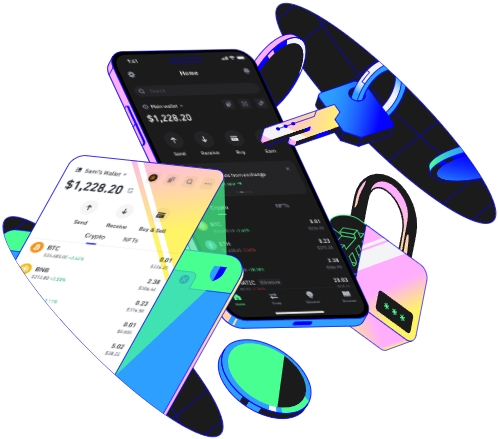
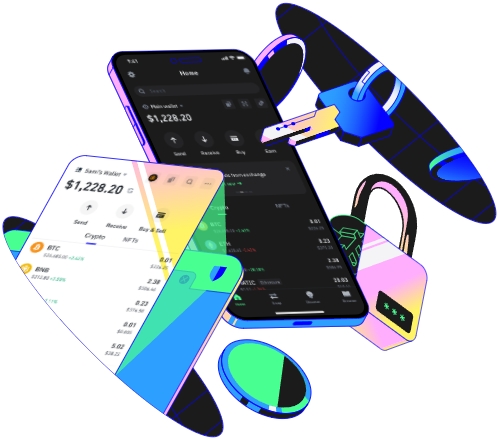
To switch between these networks, you must have a compatible wallet. A wallet is a software application that allows you to store, send, and receive digital assets. Some wallets support multiple blockchains, which are known as multi - chain wallets. For example, MetaMask is a popular multi - chain wallet that supports Ethereum and many other EVM - compatible blockchains. When using a multi - chain wallet, you can easily switch between different networks within the wallet interface. You simply need to click on the network selection button and choose the desired blockchain network from the list. However, not all wallets support all blockchains, so it's essential to research and select a wallet that meets your needs.
Another important factor is the gas fee associated with switching networks. Gas fees are the costs paid for transactions on a blockchain. Different blockchains have different gas fee structures. For instance, Ethereum has been known for its relatively high gas fees during periods of high network congestion. When switching from one blockchain to another, you need to ensure that you have enough funds in your wallet to cover the gas fees. Some blockchains, like Binance Smart Chain or Polygon, offer lower gas fees compared to Ethereum, which can be an attractive option for users looking to save on transaction costs.
In addition to wallets and gas fees, understanding the token standards of different blockchains is also vital. Each blockchain may have its own token standards. For example, Ethereum uses the ERC - 20 standard for fungible tokens and ERC - 721 for non - fungible tokens (NFTs). Other blockchains may have different standards or variations of existing ones. When switching between blockchains, you need to ensure that the tokens you hold are compatible with the new network. If you want to transfer tokens from one blockchain to another, you may need to use a bridge service. A bridge is a technology that connects two different blockchains and allows for the transfer of assets between them. However, using bridge services also comes with risks, such as security vulnerabilities and potential loss of funds.
Finally, it's important to stay updated with the latest developments in the blockchain space. New blockchains are constantly emerging, and existing ones are continuously evolving. By following industry news and participating in blockchain communities, you can learn about new opportunities for network switching, as well as potential risks and challenges. For example, new blockchain networks may offer unique features such as faster transaction speeds, lower fees, or innovative smart contract capabilities. By being well - informed, you can make more informed decisions when switching between different blockchain networks.
TAG: blockchains blockchain different between networks wallet fees gas Ethereum need