How to Safely Dispose of Old Devices Containing Wallet Data
Best Practices for Safe Data Removal
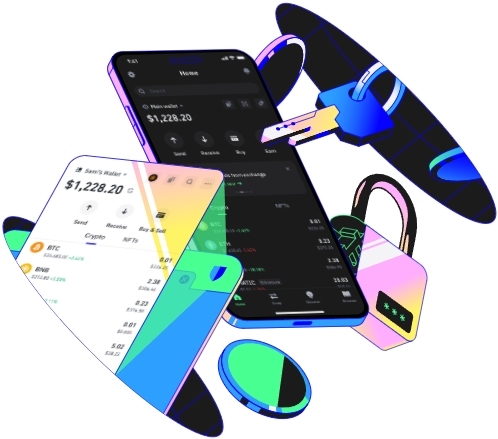
When it comes to getting rid of old devices that hold wallet data, the first step is to understand the potential risks. Wallet data can include sensitive information such as credit card numbers, bank account details, and transaction histories. If this data falls into the wrong hands, it can lead to identity theft, financial fraud, and other serious consequences. Therefore, it is crucial to take the necessary precautions to ensure that the data is completely removed from the device before disposal.
One of the most important steps in safely disposing of old devices is to back up any important data. This includes photos, videos, documents, and other files that you want to keep. You can use an external hard drive, cloud storage, or other backup methods to save your data. Once you have backed up your data, you can proceed with the data removal process. There are several ways to remove data from a device, including formatting, wiping, and using data erasure software. Formatting the device will delete all the data on it, but it may not completely remove the data. Wiping the device involves overwriting the data with random characters, which makes it more difficult to recover. Data erasure software is a more advanced option that can completely remove the data from the device and make it unrecoverable.
Another important consideration when disposing of old devices is to protect your privacy. This includes removing any personal information from the device, such as your name, address, phone number, and email address. You should also log out of any accounts that are linked to the device, such as your social media accounts, email accounts, and online banking accounts. In addition, you should disable any location services or other features that may track your movements. By taking these steps, you can reduce the risk of your personal information being accessed by others.
When it comes to physically disposing of the device, there are several options available. You can recycle the device at a local electronics recycling center, donate it to a charity or non-profit organization, or sell it to a reputable buyer. Recycling the device is a good option because it helps to reduce waste and conserve natural resources. Donating the device to a charity or non-profit organization can also be a good option, as it can help to provide technology to those in need. Selling the device to a reputable buyer can be a good way to get some money back for your old device, but you should make sure that you are selling it to a trustworthy person or company.
It is also important to be aware of the laws and regulations regarding the disposal of electronic devices. In some countries, there are specific laws and regulations that govern the disposal of electronic devices, including the proper handling and recycling of these devices. You should check with your local government or environmental agency to find out what these laws and regulations are and how they apply to you. By following these laws and regulations, you can ensure that you are disposing of your old devices in a safe and responsible manner.
In conclusion, safely disposing of old devices containing wallet data requires careful planning and attention to detail. By backing up your data, removing personal information, protecting your privacy, and choosing the right disposal method, you can reduce the risk of your personal information being accessed by others and ensure that your old devices are disposed of in a safe and responsible manner. Remember, taking the time to properly dispose of your old devices can help to protect your privacy and prevent identity theft.
TAG: data your device devices old disposing information accounts any disposal