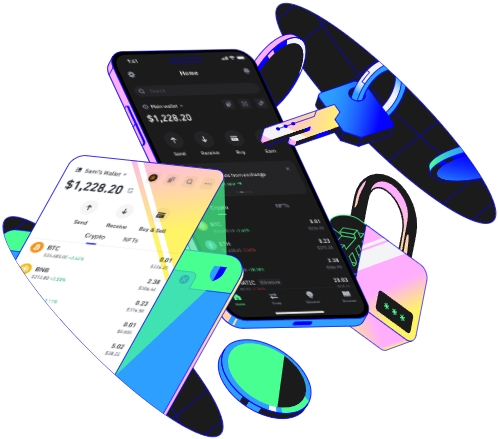
How to Use Trust Wallet for Decentralized Finance (DeFi)
Step-by-Step Guide to Using Trust Wallet for DeFi
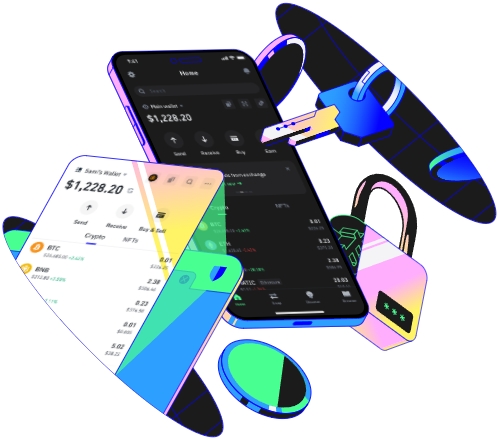
Trust Wallet is a popular cryptocurrency wallet that offers seamless access to the world of decentralized finance (DeFi). With its user - friendly interface and robust security features, it has become a go - to choice for many DeFi enthusiasts. To start using Trust Wallet for DeFi, the first step is to download and install the app. It is available on both iOS and Android platforms. Once installed, open the app and create a new wallet. You can either generate a new wallet or import an existing one using your seed phrase. This process is crucial as it gives you full control over your digital assets.
After setting up your wallet, you need to fund it. Trust Wallet supports a wide range of cryptocurrencies. You can transfer tokens from other wallets or exchanges to your Trust Wallet. For example, if you have Ethereum on an exchange, you can initiate a withdrawal to your Trust Wallet's Ethereum address. Make sure to double - check the address to avoid any transfer errors. Having funds in your wallet is essential as it allows you to participate in various DeFi activities.
One of the key features of using Trust Wallet for DeFi is accessing DeFi protocols. Trust Wallet has an integrated browser that enables you to connect to different DeFi platforms directly from the app. Popular DeFi protocols like Uniswap, Aave, and Compound can be easily accessed. When you connect to a DeFi platform, you will need to approve the connection in your Trust Wallet. This gives the platform permission to interact with your wallet and perform transactions on your behalf. However, always be cautious and only connect to trusted platforms.
Once connected to a DeFi protocol, you can start engaging in different DeFi activities. For instance, on Uniswap, you can swap tokens. You simply select the token you want to swap from and the token you want to receive. The app will show you the current exchange rate and estimated gas fees. Gas fees are an important aspect of DeFi transactions as they cover the cost of processing on the blockchain. You can adjust the gas fee based on how quickly you want your transaction to be processed. Higher gas fees usually result in faster transactions.
Another common DeFi activity is lending and borrowing on platforms like Aave. In Trust Wallet, you can deposit your tokens into Aave's lending pool. By doing so, you earn interest on your deposited assets. On the other hand, if you need to borrow tokens, you can use your existing assets as collateral. The amount you can borrow depends on the collateral ratio set by the platform. Before participating in lending or borrowing, it's important to understand the risks involved, such as price volatility and liquidation risks.
Staking is also a popular DeFi activity that you can do with Trust Wallet. Some DeFi projects offer staking opportunities where you lock up your tokens for a certain period to earn rewards. For example, you can stake your tokens in a liquidity pool on a decentralized exchange. This helps to provide liquidity to the market and in return, you receive a share of the trading fees. When staking, make sure to research the project thoroughly and understand its tokenomics and staking rules.
In addition to these activities, Trust Wallet also allows you to track your DeFi portfolio. You can view all your assets, their values, and transaction history in one place. This helps you keep an eye on your investments and make informed decisions about future DeFi activities. Regularly monitoring your portfolio can help you identify trends and adjust your strategies accordingly. Overall, Trust Wallet provides a comprehensive and user - friendly way to participate in the exciting world of decentralized finance.